
Privacy and Property Lines Built to Last
Cedar Fencing in Ludlow for residential boundaries, rural enclosures, and decorative installations requiring rot resistance without chemical treatment
Maine Cedar Specialty Products supplies cedar fencing materials to homeowners, landowners, and contractors building barriers that must withstand ground contact, seasonal moisture, and years of freeze-thaw cycles without warping or rotting. You receive boards and posts milled from northern white cedar, which contains natural preservatives that repel insects and inhibit decay organisms more effectively than untreated pine or spruce. Whether you are enclosing a backyard for privacy, marking a property line in a rural setting, or building a decorative fence around a garden, this wood remains structurally sound longer than alternatives that require chemical treatment to survive outdoor exposure.
Cedar fencing stays dimensionally stable as moisture content shifts, so boards do not shrink away from fasteners or twist out of alignment after the first wet season. You can order standard picket widths, privacy fence panels, or custom cuts for decorative styles that match existing structures. The wood's light color and straight grain suit both traditional post-and-rail designs and modern horizontal installations, and it accepts stain or paint without the surface prep issues that come with resinous softwoods.
If you are planning a fence project in the Ludlow area, contact the team to discuss material packages, custom sizing, and delivery options for your property layout.
What You Notice After Cedar Fencing Is Installed
You work with boards that are light enough to carry and cut on site but dense enough to resist splitting when you drive nails or screws near the edges. Maine Cedar Specialty Products mills fencing to uniform thickness and width, so each picket or panel board aligns without shimming or planing. Posts set in gravel-backfilled holes remain plumb longer than treated lumber posts, which can rot below grade even after chemical treatment, because cedar resists decay in direct soil contact.
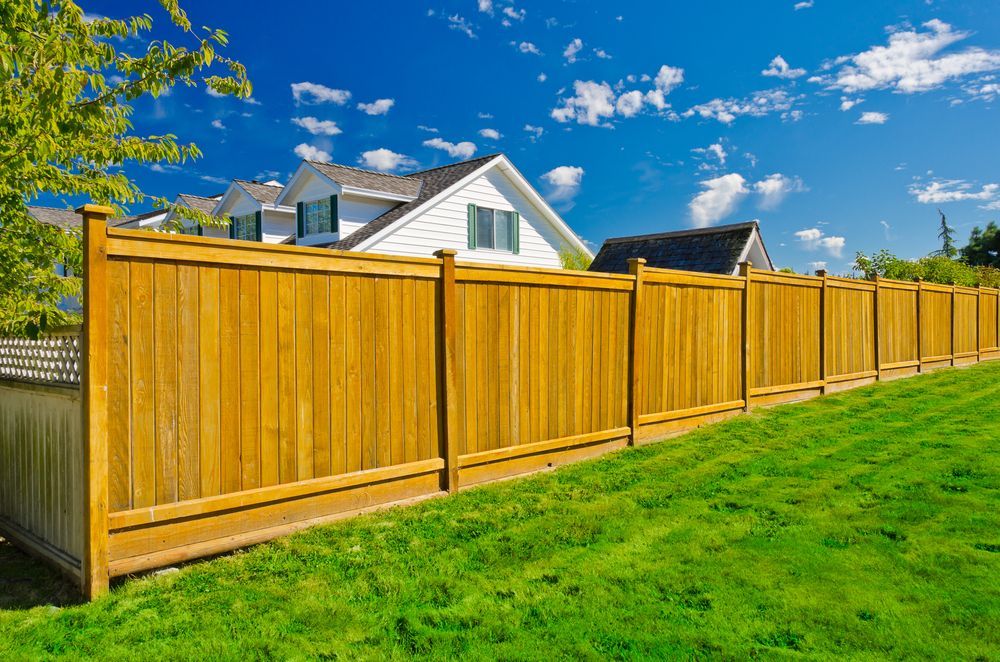
After installation, you will see a fence that maintains its color for the first season, then weathers to a silver-gray patina if left unfinished. The wood surface remains smooth enough to avoid splinters, and the boards do not warp or cup as long as they are fastened with corrosion-resistant screws that do not over-tighten and crush the wood fibers. Fences built from cedar require no chemical retreatment, and the natural resin content deters termites and carpenter ants that target untreated wood in forested areas.
Custom orders accommodate non-standard fence heights, decorative post caps, and matching gate frames, though these require additional milling time. Bulk material packages are available for projects exceeding one hundred linear feet, and delivery within surrounding areas is coordinated based on order size. The company provides fencing materials but does not offer installation services or post-hole digging.
Choosing fence materials involves matching wood properties to exposure conditions, understanding how the wood will age, and planning for the maintenance level you are prepared to handle.
Fencing Material and Design Questions
What makes cedar fencing last longer than treated lumber?
Cedar contains thujaplicin and other natural extractives that resist fungal decay and insect damage, so it does not rely on chemical preservatives that leach out over time.
How deep should you set cedar fence posts?
You set posts at least two feet deep in gravel-backfilled holes to prevent frost heave, and you avoid concrete backfill in areas with heavy freeze-thaw cycles because it traps moisture against the wood.
When should you seal cedar fencing instead of leaving it natural?
You seal fencing when you want to preserve the original color or when the fence is exposed to direct sun and wind that accelerate surface weathering, but sealing is not required for structural integrity.
Why does cedar fencing work well for rural properties in Ludlow?
Rural properties often have forested edges and high soil moisture, conditions where untreated softwoods rot quickly, but cedar's natural resistance keeps fences functional for decades without replacement.
How do you prevent boards from warping on privacy fences?
You install boards with the bark side facing out, use two fasteners per rail to restrain movement, and space pickets to allow air circulation that lets the wood dry evenly after rain.
For material estimates and custom fencing packages tailored to your property needs, reach out to Maine Cedar Specialty Products to confirm availability and discuss your project specifications.